
How to Throw a Cozy Fall Engagement Party at Home
Fall is the most popular season for engagements in the United States, and the months between September and December bring a steady wave of proposals, ring photos, and phone calls to parents. That timing makes a home engagement party one of the easiest celebrations to pull together, because the weather in Central Florida finally begins to loosen its grip and evenings on the patio become comfortable again. A party at home also gives the couple something a rented venue rarely offers, which is a relaxed setting where guests linger, tell stories, and actually talk to one another. The cost difference matters too, since venue minimums, rental fees, and required vendor lists can push a simple gathering into wedding territory before the guest list is even final. Planning a fall engagement party at home comes down to four things: a realistic guest count, a comfortable layout, food that holds up for the length of the event, and a plan for the moments that everyone will remember. Get those four right and the rest of the evening runs itself. Fall styling helps as well, because warm colors, soft lighting, and seasonal produce do a lot of decorating work without much effort or expense. The goal is a night that feels generous and unhurried, not a night spent refilling trays in the kitchen while everyone else celebrates.
What You Need to Plan a Cozy Fall Engagement Party at Home
A home engagement party works best when the planning starts with the space and moves outward to the guest list, not the other way around. Most homes comfortably hold far fewer people than the host imagines, and crowding is the single fastest way to make a warm evening feel stressful. Fall in Central Florida also brings unpredictable afternoon storms through October, so any outdoor plan needs a backup that does not require a scramble at five o’clock. Start with a date, confirm it with both families, and then build the party around the number of people who can move freely through your home. Decide early which rooms are open to guests and which are closed, because that single choice shapes traffic, seating, and cleanup. A cozy fall engagement party at home should feel full, warm, and easy to navigate from the front door to the food to the seating.
Planning the Guest List for a Fall Engagement Party at Home
The guest list for an engagement party follows one rule that saves couples a great deal of awkwardness later, which is that anyone invited to the engagement party should also be invited to the wedding. Skipping that rule creates hurt feelings months down the road, and it is the most common etiquette mistake hosts make. Start with immediate family from both sides, add the wedding party, and then work outward to close friends, longtime neighbors, and the coworkers who genuinely belong at the table. Traditionally the parents of one partner host the engagement party, though plenty of couples now host their own, and either version is perfectly acceptable. Keep a written list with contact information from the beginning, since that same list becomes the foundation of the wedding invitations later. Send invitations four to six weeks ahead for a fall date, because September through December fills quickly with holidays, football weekends, and travel. Ask for a firm reply date about two weeks before the party so the food order can be finalized with real numbers.
Space planning is the other half of the guest list conversation, and it deserves honest math rather than optimism. A standing reception with a food station and light seating needs roughly eight to ten square feet per guest, which means a typical living room and dining room together handle about thirty to forty people. Add a covered patio or backyard and that number climbs, though only if the weather cooperates and the ground is dry. Count your actual seating as well, because guests over sixty, pregnant guests, and anyone in heels will look for a chair within the first twenty minutes. A good target is seating for about half the guest count at a standing party, spread across several small groupings instead of one long row against the wall. Renting a few bistro tables costs very little and immediately makes a home feel like an event space. Walk the route from the front door to the food to the restroom and remove anything that creates a bottleneck.
Budget follows guest count more directly than anything else, so lock the number before making purchases. Food and beverage typically account for the largest share of a home party budget, followed by rentals, flowers, and any staffing you bring in. Fall produce works in your favor here, since squash, apples, pears, figs, pomegranates, and root vegetables are all in season and priced accordingly. Build in a small cushion of about ten percent for the items that always appear at the last minute, like ice, extra serving pieces, and additional beverages. Decide early which parts of the party you will handle personally and which parts you will hand to a professional, because that decision drives both the budget and your own enjoyment of the night. Many hosts find that catering the food and handling the decor themselves hits the right balance. Ready to hand off the hardest part? Take a look at our engagement party catering services and see what a fully managed menu looks like.

Setting Up Cozy Fall Engagement Party Spaces at Home
Lighting does more for a cozy fall engagement party at home than any other single element, and it costs the least. Overhead lights flatten a room and make it feel like a meeting, so turn them off and replace that light with lamps, candles, and string lights at varying heights. Warm bulbs in the 2200K to 2700K range give skin tone a flattering glow and read as firelight rather than office fluorescent. Battery operated candles are the safer choice on food tables and anywhere near draping fabric, and modern versions flicker convincingly. Outside, string lights across a patio or between trees create an instant ceiling and make an open yard feel like a room. Add a few lanterns along walkways so nobody trips on the way in from the car after sunset. Plan for the light to change, since golden hour in October falls around six thirty and full dark arrives quickly after that.
Layout comes next, and the guiding principle is separation of functions so that people spread out instead of clustering in one spot. Put the main food display in a room with two entrances if possible, keep beverages in a completely different area, and place desserts somewhere else entirely. That simple split keeps guests circulating and prevents the traffic jam that forms around a single table. Leave at least three feet of clearance on all approachable sides of a food table so two people can serve themselves without bumping elbows. Set the seating in small clusters of three or four chairs rather than a single perimeter of furniture, because conversation happens in small groups. Reserve a clear spot for gifts and cards near the entry, since engagement party guests often bring both. Keep the kitchen closed to traffic if you can, because a working kitchen with guests in it slows everything down.
Fall decor for a home engagement party should lean seasonal rather than themed, and restraint reads as elegance. Warm neutrals, deep greens, rust, amber, and cream photograph beautifully under warm lighting and pair with almost any color the couple has chosen for the wedding. Real elements do the heavy lifting: eucalyptus, dried wheat, small pumpkins in white or pale green, branches, and pears in a wooden bowl. Skip anything with a strong scent near the food, since scented candles and heavy florals compete with the aroma of what people are eating. Give the couple a designated backdrop for photos, even a simple one, because every guest will ask for a picture with them at some point. Table linens in a heavier texture like linen or cotton signal the season better than any decoration you can buy. Repeat two or three colors throughout the house so the whole space reads as one event rather than several separate rooms.
Timing and Flow for a Cozy Fall Engagement Party at Home
Most home engagement parties run three hours, and that length is worth protecting. A party shorter than two hours feels rushed, and one longer than four tends to sag in the middle once the food is gone and the toasts are finished. An afternoon window of two o’clock to five o’clock works well for families with young children, while a six o’clock to nine o’clock start suits an adult crowd and takes advantage of fall evening temperatures. Put the start time on the invitation and expect the real arrival wave about twenty minutes after it. Build the first forty five minutes around arrival, greeting, and grazing so that nothing important happens before the room is full. That buffer keeps late arrivals from missing the moments that matter.
Toasts belong roughly at the midpoint of the party, once everyone has a drink and has eaten something. Line up who will speak beforehand and keep the total to three or four people at two minutes each, because long open toasting sessions lose the room quickly. Parents traditionally speak first, followed by the couple, and a sibling or close friend can close it out. Have someone quietly gather the crowd into one space before the first person starts, since half a room hearing a toast is worse than no toast at all. Serve dessert immediately after the speeches to naturally restart the mingling. If there is a slideshow or a proposal video, run it right before or right after the toasts while attention is already focused.
The last hour should wind down rather than stop abruptly, and small cues handle that better than announcements. Coffee service, a dessert refresh, and a slight dimming of the music all signal the shift without anyone saying a word. Have takeaway containers ready if there is food left, because sending guests home with something is a warm gesture and reduces your own cleanup. Assign one trusted person to gather cards and gifts into a single place so nothing goes missing during the goodbye rush. Keep a stack of clean napkins, a trash bin, and a bus tub in an accessible spot from the start, since dishes accumulate faster than anyone expects. A little quiet maintenance every thirty minutes keeps the space from ever looking picked over. Plan to be finished with the heavy cleanup within an hour of the last guest leaving, and plan for who is helping you do it.
Fall Engagement Party Food and Menu Ideas for a Cozy Party at Home
Food carries the entire mood of a home engagement party, and fall gives you the best pantry of the year to work with. Guests at a standing reception eat differently than guests at a seated dinner, so the menu needs items that work in one hand and hold well over a three hour window. The general planning figure for a grazing style party is six to eight pieces per guest for the first hour and four to five for each hour after, adjusted upward if the party covers a normal mealtime. Temperature control is the part hosts most often miss, since cold items should stay at or below 40 degrees Fahrenheit and hot items at or above 140 degrees Fahrenheit. Anything sitting in the temperature range between those two numbers should be discarded after two hours, and that window shrinks to one hour once the ambient temperature passes 90 degrees, which still happens in Central Florida well into October. Build the menu around items that respect those rules and the food will taste as good in hour three as it did in hour one.
A Fall Grazing Table for a Cozy Engagement Party at Home
A grazing table is the strongest centerpiece a home engagement party can have, because it feeds people and decorates the room at the same time. The structure is simple: firm cheeses and soft cheeses spread across the surface, cured meats folded or ribboned between them, then fruit, nuts, honey, jams, olives, and crackers filling every gap. Fall versions lean into figs, grapes, sliced pears, apples, dried apricots, pomegranate seeds, candied pecans, and fig jam, with rosemary and eucalyptus tucked in as greenery. Plan roughly two to three ounces of cheese and two ounces of cured meat per guest when the table is the primary food, and cut those figures by about a third when hot items follow. Serve cheese at room temperature for the best flavor, which means pulling it from refrigeration about thirty to forty five minutes before guests arrive rather than hours ahead. Spread the same items in multiple places along the table instead of grouping them, so guests do not have to reach across strangers for the thing they want.
Presentation is where a grazing table earns its reputation, and height is the trick most home hosts miss. Place cake stands, wooden boxes, or upturned bowls under the board and cover them with fabric to build levels, then arrange food across those levels so the display has depth. Odd numbers look more natural than even ones, and grouping in threes and fives keeps the eye moving. Use butcher paper or a long linen runner as the base if you do not own a board large enough, since a well dressed table surface works just as well. Keep a serving utensil with every single item, and put small plates at both ends rather than only one, which doubles the flow rate. Label anything with a common allergen, especially nuts, since guests should never have to ask.
Food safety on a grazing table deserves real attention, particularly in a Florida fall where indoor humidity and open patio doors both play a role. Soft cheeses, sliced fruit, and cured meats are all time sensitive, so the practical approach is to build a smaller table and refresh it once during the party instead of putting everything out at the start. Keep the backup platters wrapped and refrigerated, then swap in fresh items around the halfway point. A hidden tray of ice underneath a board keeps delicate items cool without announcing itself, and covered coolers nearby hold the refills. Do not return food to the refrigerator after it has been out for more than two hours, and do not top off a partially eaten platter with fresh product, because that resets nothing and risks everything. Want a display that arrives complete and correctly built? See our grazing table catering and let a professional handle the setup and the timing.
Warm Fall Engagement Party Food to Serve at Home
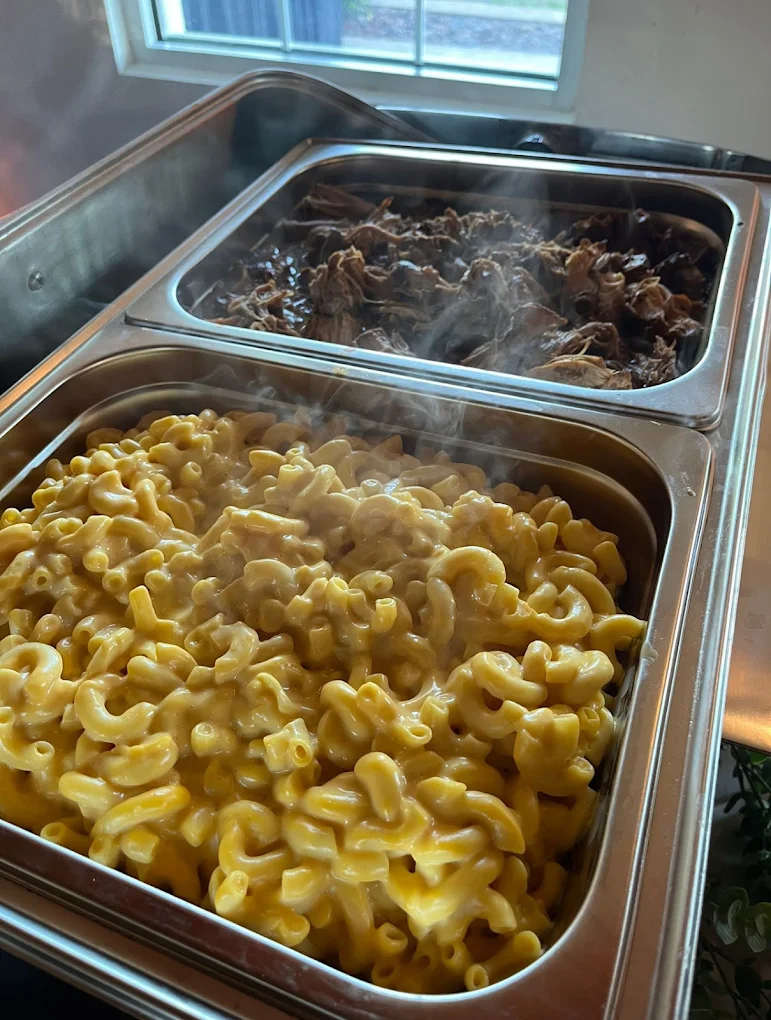
Cold displays are beautiful, but a fall party needs something warm to feel complete, and guests notice the difference immediately. Braised short rib sliders, chicken skewers, meatballs in a slow cooker, stuffed mushrooms, mac and cheese cups, and small bowls of soup all work at a standing party and all hold well in a chafing dish or warmer. Squash soup served in demitasse cups is a strong seasonal choice because it feels substantial, costs very little per serving, and requires no utensils. Roasted vegetables with a good char, particularly brussels sprouts, carrots, and delicata squash, satisfy guests who are not eating meat without turning into a separate menu. Pick items that survive holding, since delicate fried foods lose their texture within fifteen minutes and disappoint everyone who arrives late. Two or three warm items are plenty when the grazing table is doing the rest of the work.
Equipment determines how well the hot food actually performs, and this is where home parties most often fall short. Chafing dishes with water pans keep food at safe temperature without drying it, while direct heat on a warming tray turns most dishes to leather within an hour. Slow cookers set to warm handle meatballs, pulled pork, and soups reliably, and their lids matter as much as their heat. Check temperatures with an instant read thermometer at the start of service and again about ninety minutes in, since a chafer that has run out of fuel looks exactly like one that has not. Keep hot items at 140 degrees Fahrenheit or above the entire time they are out. Set the hot station away from the entry door so cold air does not work against you.
Dietary needs are part of a modern guest list, and handling them well is a mark of a thoughtful host. Ask about restrictions on the reply card rather than guessing, since a single question saves a great deal of improvisation. Aim for at least two substantial options that are vegetarian, one that is free of gluten, and one that avoids dairy, all of which are easy to build into a fall menu. Keep those items in separate serving vessels with dedicated utensils, because cross contact is the actual risk rather than the ingredient list itself. Guests with a serious allergy will always ask, so be able to answer honestly about what is in each dish. A menu card near the food answers most questions before anyone has to raise them.
Fall Desserts and Drinks for a Cozy Engagement Party at Home
Desserts at an engagement party should be small, plural, and easy to eat while standing. Miniature apple hand pies, pumpkin cheesecake bites, pecan tartlets, spiced cookies, and salted caramel brownies all fit that description and all lean seasonal without becoming a holiday theme. A small cake works beautifully as a focal point if the couple wants one, though it does not need to be large since guests will eat mostly from the small items around it. Plan two to three dessert pieces per guest and lean toward variety rather than volume. Set the dessert station in a separate room or a distinctly separate area, and hold it back until after the toasts so it creates a second wave of energy. Cover the display until service time to keep it looking fresh. Explore our dessert catering options if you would rather not spend the week before the party baking.
Beverages need a plan that matches the guest list rather than a default one. A standard estimate is two drinks per guest in the first hour and one per hour after that, and a three hour party for thirty guests lands somewhere around one hundred twenty servings across all categories. Fall favors a signature drink built on apple cider, bourbon, cranberry, or pear, and naming it after the couple gives guests something to talk about the moment they walk in. Offer a well made option without alcohol as well, since spiced cider or a cranberry and rosemary spritz makes nondrinking guests feel included rather than accommodated. Wine service simplifies everything at a home party, with a rough guide of five glasses per bottle and a split leaning slightly toward red as the weather cools. Ice is the item hosts underestimate most, so plan on one and a half pounds per guest when drinks are on ice.
A self serve beverage station keeps you out of the bartender role all evening, and it is easy to build well. Set glassware, ice, garnishes, napkins, and a printed recipe card for the signature drink in a logical left to right order so guests move through without stalling. Beverage dispensers with spigots work far better than punch bowls with ladles, since they are cleaner, faster, and less likely to spill. Keep water visible and generously stocked, because guests drink more of it than hosts expect, especially in Florida. A coffee setup near the dessert station in the final hour signals the natural close of the evening and gives guests who are driving something to hold. Place a small trash bin and a tray for used glassware right at the station, which cuts the number of abandoned cups around the house by half.
Why You Need Catering for Your Cozy Fall Engagement Party at Home
Hosting an engagement party at home is meant to be a celebration, not a shift in the kitchen. The hosts who enjoy their own party are almost always the ones who handed off the food, because the food is the single largest source of work, timing pressure, and risk. Professional catering brings equipment most homes do not own, including chafers, warmers, insulated transport, and serving pieces sized for a crowd. It also brings accurate portioning, which prevents both the panic of running short and the waste of ordering far too much. For an engagement party specifically, the value is time, since this is one of the few events where the hosts are also honored guests and belong in the room rather than at the stove.
What Catering Adds to a Fall Engagement Party at Home
The most immediate benefit is that everything arrives finished, timed, and ready to serve at the hour you specified. There is no oven juggling, no last minute grocery run, and no moment when a tray comes out cold because a different dish took the rack. Portion accuracy is the second benefit, since caterers work from guest count formulas built on thousands of events rather than a guess. Presentation is the third, because a professionally built grazing table or dessert display looks like something from a magazine and becomes the backdrop of every photo taken that night. All three add up to a party that runs on schedule.
Food safety is the benefit nobody thinks about until something goes wrong. Licensed caterers hold food safety certification, transport in temperature controlled containers, and know exactly how long each item can safely remain out. That knowledge matters most with the items an engagement party depends on, which are soft cheeses, cured meats, sliced fruit, and anything containing dairy. A caterer also plans the refresh schedule so that the display looks full at hour three instead of picked over. Guests remember a beautiful table, and they remember an unpleasant one even longer.
Cleanup is the quiet advantage that hosts appreciate most the morning after. Catering service typically includes breaking down the display, packing leftovers, and clearing the serving area, which turns a two hour cleanup into fifteen minutes. Serving staff also keep the space tidy throughout the night, collecting glasses and refreshing platters before anyone notices a problem. A reasonable staffing figure for a standing reception is one server for every twenty to twenty five guests, and even a single attendant changes the feel of an event dramatically. That person handles the hundred small tasks that otherwise fall to the host. The result is a party you actually experienced instead of one you managed.
How to Book Catering for a Cozy Fall Engagement Party at Home
Booking early matters more in fall than in any other season except the December holidays. Caterers in the Orlando area fill Saturdays in October and November well in advance, and the best dates go first. Reach out four to six weeks ahead for a party of thirty to fifty guests, and eight weeks or more for anything larger or anything on a holiday weekend. Have four pieces of information ready when you call: the date, the guest count, the location, and the general style of service you want. Those four answers let a caterer quote accurately on the first conversation instead of the third.
Be specific about the space when you book, because a home is not a banquet hall and the details matter. Mention the kitchen access, the parking situation, the stairs, the counter space available for setup, and where you plan to put the food. Tell the caterer if the party is outdoors, since a Florida fall afternoon can still hit the upper eighties and that changes the menu, the equipment, and the holding times. Confirm the arrival window for setup, which typically runs ninety minutes to two hours before guest arrival for a full display. Ask what the caterer provides and what you supply, particularly tables, linens, ice, and trash removal. Clear answers on those points prevent the most common day of surprises.
Lock the final guest count about seven to ten days before the party, since that number drives the food order and most caterers need lead time for sourcing. Share dietary restrictions at the same time rather than the day before, because substitutions require planning and product. Ask about a tasting if the menu is important to the couple, and expect that smaller parties may not include one at no cost. Confirm the timeline in writing, including arrival, service start, refresh, and breakdown. A short call two days before the event settles every remaining detail and lets you stop thinking about food entirely.
Why Choose Big Boards Catering for Your Fall Engagement Party at Home
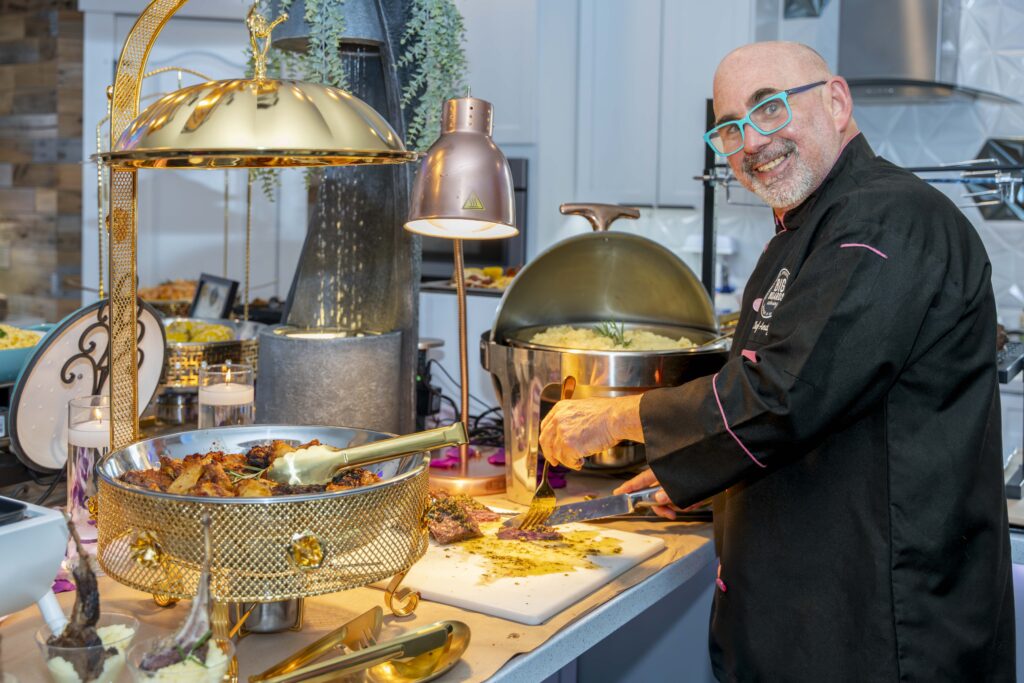
Big Boards Catering builds engagement party menus for homes across Central Florida, from Clermont and Winter Garden to Windermere, Orlando, and Lake Mary. Our grazing tables and charcuterie displays are constructed on site, which means the fruit is fresh cut, the cheeses are at the right temperature, and the arrangement is shaped to your actual table rather than a standard box. We plan portions from your confirmed guest count and your event length, so the food lasts through the toasts and the last round of photos. Seasonal fall menus feature the produce that is genuinely at its peak in autumn, along with warm items that hold safely throughout the party. Every event is handled by people who take food safety, timing, and presentation seriously.
We work at the scale that fits your home instead of pushing you toward a bigger event than you want. A thirty guest gathering on a patio receives the same attention as a full wedding reception, and the setup is planned around your layout, your kitchen access, and your schedule. Menus can be adjusted for vegetarian, gluten free, and dairy free guests without turning into a separate order. We arrive early, set up completely, and leave the serving area clean. That combination is what lets the hosts stay in the room where the celebration is happening.
Planning a fall engagement party at home is much easier with one vendor handling the entire food side of the night, and that is exactly what we do. Reach out early for October and November dates, since fall weekends in the Orlando area book fast and the popular Saturdays go first. Tell us the date, the guest count, and the address, and we will put together a menu and a timeline that fits your space. Call Big Boards Catering at (954) 778-0456 or email andy@bigboardscharcuterie.com to check availability for your date. Book your engagement party catering now and spend the evening celebrating instead of serving.